A good way to save money is to get things for free and an easy way to do that is to get companies to give you their products. Extreme couponing is a big thing these days, and if you have the time to do it, as well as stores nearby that will double or triple your coupons, you can save big, but be careful. Often the products are prepared foods that aren't good for you, or are for items that still cost more than other alternatives after the coupon.
Still..a deal is a deal.
Free case (after rebate of up to $50.00) of Valvoline Racing Oil. http://www.valvolinevr1racingoil.com/
Expires 5/31/11.
Next post, I'll list some places you can sign up for free special offers at.
Friday, May 13, 2011

Sunday, April 24, 2011
Keeping Laying Hens
In the past 3 weeks, I've had several people ask me about raising chickens for eggs, so it seems like a good topic for a post.
Firstly, you do not need a rooster to get eggs. You will need a rooster if you want to get hatched eggs, but at least you start, you won't want to.
I have 4 hens. I purchased two of them from a friend and bought another two from a local farm. All are ISA Browns, which are hardy and lay a steady supply of eggs. I didn't raise any of them from chicks. I bought them as pullets (chickens under one year) so I got them when they were almost ready to lay eggs. Most chickens will start to lay around 20 weeks. I've seen prices from $5-15.00 advertised, but would think anything more than $10.00 was too much. Just makes sure you get them from a reputable business or farmer.
The number of eggs you get in a day depends on a number of things, including health and age of the hen and the amount of daylight hours. I don't use a heat lamp or light bulb in the winter, and so I get one or maybe 2 eggs per day, from 4 birds. If you choose to use a lamp, you will get more eggs in the winter. I do use an electric waterer. If you're home enough, you can provide thawed water to them several times in a day, but I can't do that, so the electric waterer works well. Pretty pricey, though. I think mine was $30.00 when I bought it, but worth it to keep the birds alive. The other risk in the winter is frozen eggs. If they're too frozen, they'll burst their shells but that doesn't happen very often. For the most part, my birds lay in the morning, so the eggs are still warm when I get them, but I usually keep the frozen ones to feed to my dog.
In the summer, I get 3-4 eggs per day. Younger chickens and older chickens lay fewer. Eggs get larger as the hens get older.
I let the hens range in the summer, so I don't have to feed them much. I either feed them vegetable scraps or a Layer feed I get at the local farm store, along with some scratch and some crushed oyster shells. You have to provide calcium to keep the shells good. In a pinch, use the shells of the eggs, but they have to be well rinsed and crushed very finely to prevent the chickens from figuring out they can eat their own eggs. If you feed the birds grain in the winter, be sure to also provide grit, which helps them digest the whole grains. Currently, a bag is about $12.00 at TSC and less if you buy in bulk quantities from the feed mill. I buy a few bags throughout the year, but have never kept track closely. I store the food in galvanized trash cans, although a non-working deep freezer works well, too.
For a coop or hen house, you need to provide enough space for the birds..each should have around 2 square feet. They also need something to roost on..a 2x4 with rounded edges works well. Nesting boxes are nice so the hens have a place to lay but I don't use them and the birds have figured out that laying in one corner or another of the hen house works. Make sure the hen house gets some ventilation. I use straw for bedding for mine although you can use wood shavings or paper, or whatever is convenient, but the material should be absorbent, and ideally, easy to compost.
If you have a garden, you'll probably want to fence it in. My chickens decimated my tomatoes the first year. They also like to root around under mulch and can damage flower beds.
The other question I get asked often is how long eggs keep. The answer is much longer than you think. Eggs are laid with a coating on them. As long as the coating isn't removed by washing, you can leave them on the counter for a week or two and they'll likely still be good, but I tend to refrigerate mine as soon as I can. In the fridge, they'll keep for a minimum of a couple of months. If you ever question whether an egg is good, put it in a pan of water. If it floats, its bad. If one end rises, its old. If it sinks to the bottom, its fresh. Newer eggs are harder to peel, so for making hard boiled eggs, use ones that have been around for a while.
Firstly, you do not need a rooster to get eggs. You will need a rooster if you want to get hatched eggs, but at least you start, you won't want to.
I have 4 hens. I purchased two of them from a friend and bought another two from a local farm. All are ISA Browns, which are hardy and lay a steady supply of eggs. I didn't raise any of them from chicks. I bought them as pullets (chickens under one year) so I got them when they were almost ready to lay eggs. Most chickens will start to lay around 20 weeks. I've seen prices from $5-15.00 advertised, but would think anything more than $10.00 was too much. Just makes sure you get them from a reputable business or farmer.
The number of eggs you get in a day depends on a number of things, including health and age of the hen and the amount of daylight hours. I don't use a heat lamp or light bulb in the winter, and so I get one or maybe 2 eggs per day, from 4 birds. If you choose to use a lamp, you will get more eggs in the winter. I do use an electric waterer. If you're home enough, you can provide thawed water to them several times in a day, but I can't do that, so the electric waterer works well. Pretty pricey, though. I think mine was $30.00 when I bought it, but worth it to keep the birds alive. The other risk in the winter is frozen eggs. If they're too frozen, they'll burst their shells but that doesn't happen very often. For the most part, my birds lay in the morning, so the eggs are still warm when I get them, but I usually keep the frozen ones to feed to my dog.
In the summer, I get 3-4 eggs per day. Younger chickens and older chickens lay fewer. Eggs get larger as the hens get older.
I let the hens range in the summer, so I don't have to feed them much. I either feed them vegetable scraps or a Layer feed I get at the local farm store, along with some scratch and some crushed oyster shells. You have to provide calcium to keep the shells good. In a pinch, use the shells of the eggs, but they have to be well rinsed and crushed very finely to prevent the chickens from figuring out they can eat their own eggs. If you feed the birds grain in the winter, be sure to also provide grit, which helps them digest the whole grains. Currently, a bag is about $12.00 at TSC and less if you buy in bulk quantities from the feed mill. I buy a few bags throughout the year, but have never kept track closely. I store the food in galvanized trash cans, although a non-working deep freezer works well, too.
For a coop or hen house, you need to provide enough space for the birds..each should have around 2 square feet. They also need something to roost on..a 2x4 with rounded edges works well. Nesting boxes are nice so the hens have a place to lay but I don't use them and the birds have figured out that laying in one corner or another of the hen house works. Make sure the hen house gets some ventilation. I use straw for bedding for mine although you can use wood shavings or paper, or whatever is convenient, but the material should be absorbent, and ideally, easy to compost.
If you have a garden, you'll probably want to fence it in. My chickens decimated my tomatoes the first year. They also like to root around under mulch and can damage flower beds.
The other question I get asked often is how long eggs keep. The answer is much longer than you think. Eggs are laid with a coating on them. As long as the coating isn't removed by washing, you can leave them on the counter for a week or two and they'll likely still be good, but I tend to refrigerate mine as soon as I can. In the fridge, they'll keep for a minimum of a couple of months. If you ever question whether an egg is good, put it in a pan of water. If it floats, its bad. If one end rises, its old. If it sinks to the bottom, its fresh. Newer eggs are harder to peel, so for making hard boiled eggs, use ones that have been around for a while.
Saturday, April 16, 2011
Raw Milk - Lessons Learned
I've been using raw milk for the past couple months and using it for milk products and have learned a few things in the process.
-Don't use the milk the first day. Let it sit a day or so to get the cream to rise and the milk to age a little bit.
- My butter was not very good and tasted bitter. I found that cooking it to about 145F for a few minutes and then letting it sit for an hour or so and its much better..bitterness is gone.
-Yogurt is not as firm for some reason, as it was when I'd make it from pasturized milk, and if you try to drain it for soft cheese, it will be very soft and almost runny. If you leave it in the fridge for a week or so, the cheese sets much better.
-Raw milk doesn't go bad nearly as quickly as I expected and yogurt, cheese and butter all keep for quite a long time..a couple weeks at least.
In general:
-To make butter, have the cream at room temperature for a couple hours. It won't spoil.
-The longer you let the yogurt set in warm water, the tangier it gets. After 6 or 7 hours, its very much like sour cream.
-Don't use the milk the first day. Let it sit a day or so to get the cream to rise and the milk to age a little bit.
- My butter was not very good and tasted bitter. I found that cooking it to about 145F for a few minutes and then letting it sit for an hour or so and its much better..bitterness is gone.
-Yogurt is not as firm for some reason, as it was when I'd make it from pasturized milk, and if you try to drain it for soft cheese, it will be very soft and almost runny. If you leave it in the fridge for a week or so, the cheese sets much better.
-Raw milk doesn't go bad nearly as quickly as I expected and yogurt, cheese and butter all keep for quite a long time..a couple weeks at least.
In general:
-To make butter, have the cream at room temperature for a couple hours. It won't spoil.
-The longer you let the yogurt set in warm water, the tangier it gets. After 6 or 7 hours, its very much like sour cream.
Sunday, April 3, 2011
Medical - Helpful Youtube Videos and Links
Firstly, if you haven't already, call the American Red Cross or your local fire department or ambulance service and find out how to take at a minimum, a basic first aid and CPR/AED class. If you've already done that, consider a Medical First Responder, or even a Wilderness First Responder class. In the meantime, here are some websites to review.
Please note that the links below should not be used in place of proper first aid training but can be used to supplement or refresh that training. Also, remember the use of proper Personal Protective Equipment, and that you need to check for pulse, movement and sensation in the limb before and after applying any splinting materials. This is to ensure that you have not inhibited circulation to those areas of the body.
N95 Mask Use:
http://www.youtube.com/watch?v=0d_RaKdqeck
How to tell a sprain from a broken bone:
http://www.youtube.com/watch?v=BeFlH1pQBuU
Use of a tourniquet:
http://www.youtube.com/watch?v=kyRDJCAs9Vo
Use of SAM Splint:
http://www.youtube.com/watch?v=lPmVTKuSbio
Applying a Shoulder Sling:
http://www.youtube.com/watch?v=OJZGuGa8JEY
How to Apply a Pressure Bandage:
http://www.youtube.com/watch?v=uA-vHanFv1o&feature=fvwrel
First Aid Guides in .pdf
http://www.mayoclinic.com/health/FirstAidIndex/FirstAidIndex
http://www.ashinstitute.org/PDFS/ASHI_BasicFirstAid_SG_Sample.pdf
Please note that the links below should not be used in place of proper first aid training but can be used to supplement or refresh that training. Also, remember the use of proper Personal Protective Equipment, and that you need to check for pulse, movement and sensation in the limb before and after applying any splinting materials. This is to ensure that you have not inhibited circulation to those areas of the body.
N95 Mask Use:
http://www.youtube.com/watch?v=0d_RaKdqeck
How to tell a sprain from a broken bone:
http://www.youtube.com/watch?v=BeFlH1pQBuU
Use of a tourniquet:
http://www.youtube.com/watch?v=kyRDJCAs9Vo
Use of SAM Splint:
http://www.youtube.com/watch?v=lPmVTKuSbio
Applying a Shoulder Sling:
http://www.youtube.com/watch?v=OJZGuGa8JEY
How to Apply a Pressure Bandage:
http://www.youtube.com/watch?v=uA-vHanFv1o&feature=fvwrel
First Aid Guides in .pdf
http://www.mayoclinic.com/health/FirstAidIndex/FirstAidIndex
http://www.ashinstitute.org/PDFS/ASHI_BasicFirstAid_SG_Sample.pdf
First Aid/Medical Kits
I've been asked several times what items belong in a first aid or medical kit and I've created a few lists. What level of items on the list you choose to get is your decision and should be based mostly on how far you are, or expect to be, from definitive care. Many items in the equipment list require some additional training but in general are not especially invasive. I have not included items like suture kits, IV sets, catheters or anything beyond the most basic air way adjuncts because of the risks associated with using them without proper training. I have also not included prescription medications.
PPE:
Nitrile Gloves
N95 Masks (learn how to fit these properly.)
Safety Glasses
Supplies:
Bandaids, various sizes
Gauze
New Skin Adhesive
Sterile 4x4 pads
Maxipads
Tegaderm
Quickclot Sponges
Medical Tape
Occlusive Dressing
Syringes for flushing wounds
Triangle Bandages
Vet Wrap
Elastic Bandages
Moleskin
Dental Repair Kit
Dental Floss
Safety Pins
Medical Equipment
Thermometer
Tweezers
Scissors
CPR Mask
Tourniquet
Emergency Blanket
SAM Splints
Pen Light
Magnifying Glass
Blood Pressure Cuff
Stethescope
Blood Sugar Test Kit
Ambubag (Comes in Adult/Child/Infant sizes)
Nasopharyngeal Airways (Come in Adult/Child/Infant sizes)
Magill Forceps
Asherman Chest Seal
Crutches
Joint Braces
Pulse Oximeter
AED (Expensive and may require a prescription)
OTC Medications
Aceteminephin
Naproxin
Aspirin
Benedryl, liquid
Glucose/Frosting/Honey packets
Pepcid-AC
Tums
Primatene Mist
Robitussin
Mucinex
Hydrocortisone Cream
Aloe/Burn Cream
Antibiotic Cream
Ambesol
Saline Solutions
Iodine
Peroxide
Rubbing Alcohol
Espom Salt
Diarrhea Medications
Laxatives
Aquaphor
Vitamins/Supplements
Daily Multivitamin
Vitamin D
Niacin
Calcium
Fish Oil
PPE:
Nitrile Gloves
N95 Masks (learn how to fit these properly.)
Safety Glasses
Supplies:
Bandaids, various sizes
Gauze
New Skin Adhesive
Sterile 4x4 pads
Maxipads
Tegaderm
Quickclot Sponges
Medical Tape
Occlusive Dressing
Syringes for flushing wounds
Triangle Bandages
Vet Wrap
Elastic Bandages
Moleskin
Dental Repair Kit
Dental Floss
Safety Pins
Medical Equipment
Thermometer
Tweezers
Scissors
CPR Mask
Tourniquet
Emergency Blanket
SAM Splints
Pen Light
Magnifying Glass
Blood Pressure Cuff
Stethescope
Blood Sugar Test Kit
Ambubag (Comes in Adult/Child/Infant sizes)
Nasopharyngeal Airways (Come in Adult/Child/Infant sizes)
Magill Forceps
Asherman Chest Seal
Crutches
Joint Braces
Pulse Oximeter
AED (Expensive and may require a prescription)
OTC Medications
Aceteminephin
Naproxin
Aspirin
Benedryl, liquid
Glucose/Frosting/Honey packets
Pepcid-AC
Tums
Primatene Mist
Robitussin
Mucinex
Hydrocortisone Cream
Aloe/Burn Cream
Antibiotic Cream
Ambesol
Saline Solutions
Iodine
Peroxide
Rubbing Alcohol
Espom Salt
Diarrhea Medications
Laxatives
Aquaphor
Vitamins/Supplements
Daily Multivitamin
Vitamin D
Niacin
Calcium
Fish Oil
Saturday, April 2, 2011
mygrocerydeals.com
Pretty good website. Requires registration but good way to find what's on sale at what stores. Using it, I discovered a smaller local grocery with great sales.
Saturday, March 26, 2011
Homemade Coffee Creamer
14 oz. Sweetened Condensed Milk
1.5 cups of milk
1 tsp. vanilla extract
You can make ameretto flavored creamer using almond extract and cinnamon or use maple syrup or other flavors.
Blend well.
1.5 cups of milk
1 tsp. vanilla extract
You can make ameretto flavored creamer using almond extract and cinnamon or use maple syrup or other flavors.
Blend well.
Sweetened Condensed Milk
From cooks.com
1 c. instant dry milk (solid)
2/3 c. sugar
1/3 c. boiling water
3 tbsp. melted butter
2/3 c. sugar
1/3 c. boiling water
3 tbsp. melted butter
In blender, combine instant dry milk, sugar, boiling water and melted butter. Blend until smooth. Store in refrigerator until ready to use. Yields approximately 14 ounces (a little less), about the same as a store bought can.
Thursday, March 24, 2011
March 24: Seeds are sprouting
I planted 72 small peat pots on Saturday. Planted tomatoes, peppers, herbs, squash, all open-polinated. I've never planted with OP and I've never really tried planting my own seedlings. Its usually a bad combination to try multiple new methods at the same time but I'm going to give it a shot. I'll also be planting more OP seeds directly into the garden once it warms up a little.
I'm waiting for the arrival of another pear tree due this month. New bees are arriving April 12 and I've ordered a couple of new pullets which will arrive about the same time.
I got lumber last weekend to build 15 new raised beds this year and the new chicken coop is definitely in the plans for this year. Next year, I want to raise meat birds for the freezer so I'll get the coop taken care of by fall.
I'm waiting for the arrival of another pear tree due this month. New bees are arriving April 12 and I've ordered a couple of new pullets which will arrive about the same time.
I got lumber last weekend to build 15 new raised beds this year and the new chicken coop is definitely in the plans for this year. Next year, I want to raise meat birds for the freezer so I'll get the coop taken care of by fall.
Saturday, March 12, 2011
Making Butter if You Don't Have a Cow
Go to the store and buy whipping cream. Take it home. Leave it sit on the counter for an hour or so. Put it in a blender (or you can use a mixer. Or you can shake it up in a Mason jar.) Turn it on medium. First it will get really fluffy. Keep going. After 10 minutes or so, you'll start to see liquid and then butter. Yay! Butter! Pour the liquid into a glass and use it to make bisquits or pancakes or something. Take the butter in the bowl to the sink and "wash it" with cold water, until the water runs clear. If you leave butter milk in the butter, it will go bad faster. Then take 1/4 tsp. of salt and squish it in.
Enjoy!
Enjoy!
Store Brand Medications
Drug and grocery store chains do not produce their own medications. That means that they're purchasing from companies who make the medications for them and often, these are the companies who produce the name brand medications and repackage it to sell to stores. Medications are closely regulated for quality.
The key is the active ingredient and how much is in the product. This can be discovered by looking at the packaging. If the medication contains the same active ingredients, in the same amounts, it can be safely substituted for the name brand product.
If you read the ingredients of both the store brand and the name brand medication and they list the same ingredients in exactly the same order, its likely the same medication, repackaged.
Buying store brands can save you up to 50% sometimes and you gain nothing by purchasing the name brand.
The key is the active ingredient and how much is in the product. This can be discovered by looking at the packaging. If the medication contains the same active ingredients, in the same amounts, it can be safely substituted for the name brand product.
If you read the ingredients of both the store brand and the name brand medication and they list the same ingredients in exactly the same order, its likely the same medication, repackaged.
Buying store brands can save you up to 50% sometimes and you gain nothing by purchasing the name brand.
Situation in Japan
Everyone is praying for the folks over there. Thousands are dead, many more injured, millions left without power. We've been fortunate in the United States to have most of our disasters, with the exception of Katrina, to be limited in size and national disruptions.
But there are many earthquake faults in the United States, including one in the middle of our country, and its a good time to consider our own situations, if we live in an area where we could be affected by these, or hurricanes or other natural disasters. If you're reading this blog, you probably already have a sense of independence and self-reliance and being able to be responsible for your own care during an emergency is part of that.
Ready.gov, the United States Government's website, has some suggestions for items that you should have on hand. I'd add that these should probably be available in your vehicle, too.
Their suggestions include food and water for several days, prescription medications, copies of important documents and other items. A copy can be found here: http://www.ready.gov/america/_downloads/checklist.pdf.
One way to store copies of your important documents is to keep them on a thumb drive, although you will want to be careful to keep it secure. Something else you might want to consider is to also include copies of family photos on this drive and to make multiple copies of it, to be kept with trusted family. In housefires, this is one of the biggest losses insurance can't make up.
Another consideration is contact with your family. In Tokyo, phones aren't working. If your children are old enough, have a plan about where to go if they can't get home and have a list of contacts. You may tell them that if your neighborhood is damaged to go to a grandparents or family friend. But know plan ahead of time where that location is.
But there are many earthquake faults in the United States, including one in the middle of our country, and its a good time to consider our own situations, if we live in an area where we could be affected by these, or hurricanes or other natural disasters. If you're reading this blog, you probably already have a sense of independence and self-reliance and being able to be responsible for your own care during an emergency is part of that.
Ready.gov, the United States Government's website, has some suggestions for items that you should have on hand. I'd add that these should probably be available in your vehicle, too.
Their suggestions include food and water for several days, prescription medications, copies of important documents and other items. A copy can be found here: http://www.ready.gov/america/_downloads/checklist.pdf.
One way to store copies of your important documents is to keep them on a thumb drive, although you will want to be careful to keep it secure. Something else you might want to consider is to also include copies of family photos on this drive and to make multiple copies of it, to be kept with trusted family. In housefires, this is one of the biggest losses insurance can't make up.
Another consideration is contact with your family. In Tokyo, phones aren't working. If your children are old enough, have a plan about where to go if they can't get home and have a list of contacts. You may tell them that if your neighborhood is damaged to go to a grandparents or family friend. But know plan ahead of time where that location is.
Mormons, food storage and buying in bulk.
While poking around the web, I found this site and thought I'd share it. Mormons are required by their church to maintain a years supply of food and to have some savings built up, to be able to care for themselves during times of unemployment or illness. To do that, many of them buy in bulk. Especially for large families, this is less expensive, and the food is healthier, but we can translate that into our own lives, too.
http://everydayfoodstorage.net/
She has some great videos and recipes for using staples to create meals.
http://everydayfoodstorage.net/
She has some great videos and recipes for using staples to create meals.
Thursday, March 10, 2011
Cohesive Wrap
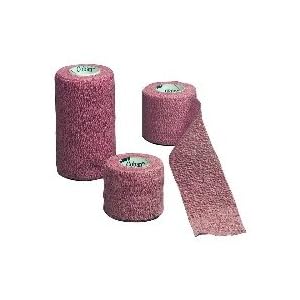
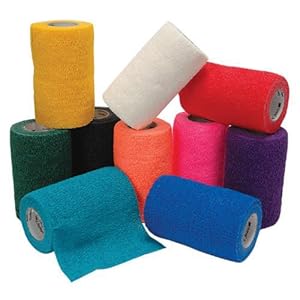
If you look around, you can find inexpensive alternatives to common items. Here, you can see that 3M offers two different products that are the same item but the one they market for horses is much less.
This is 4" x 5' 3M Coban Wrap through Amazon.
The price is $3.03 per roll.
This is 4" x 5' 3M Vet Wrap through Amazon. The price is $1.75 per roll.
Victory Gardens
Durings the World Wars, Victory Gardens were important contributions to the war effort that everyone could make, and they helped with food shortages and the rationing that went along with them. We're less self-reliant as a country than we were back then, but we can apply the same principles as individuals. Gardens are a hedge against inflation and unemployment and a great way to have healthy food for your family.
http://en.wikipedia.org/wiki/Victory_garden

http://en.wikipedia.org/wiki/Victory_garden
Making Yogurt
You don't have a cow or a goat or access to one? That's ok. You can use a gallon of supermarket milk, but don't get organic, as its pastuerized at high heat.
You will need:
1 large pan to sterilize 5 quart jars and lids in.
1 large double boiler, which you can improvise if necessary.
1 thermometer capable of measuring from 50-100C.
1 cooler.
1 gallon of milk.
1 cup of plain, non-Greek style yogurt.
2 cup measuring cup.
Heat water in large pan for sterilizing jars. Do that while you're cooking the milk.
In a large double boiler, heat milk slowly to 90-95C, stirring frequently but not constantly.
When you have reached that temperature, move the pan to a sink of cool water, being careful not to get water into the pan (remember displacement!) Let it cool to 55C.
When the milk has cooled, put 1 cupful in the 2 cup measuring cup and add enough yogurt to complete the two cups. Stir. Add to the rest of the pot of milk and stir well.
Pour the milk into the sterilized quart jars and place lids on them. You can use a funnel for this or pour the milk into a pitcher to make it easier.
Pour 55 degree water into the cooler. I use the water I sterilized in, plus some cold water to get there. Place the jars in the cooler with the water, again remember displacement to avoid getting water in your jars.
Leave it set for 4 hours. Ta-da! Yogurt. Refrigerate or use it to make yogurt cheese, which is both simple and yummy.
For tangier yogurt, you can leave the jars in the cooler a few hours longer. The flavor will be more like traditioinal sour cream and can be used as a substitute. You can add minced garlic and herbs for a great dip.
You can also mix some home made jam or other tasty things into the jam to make flavored yogurt..it really depends on what you like.
If you buy a gallon of milk at the supermarket for $2.00, you've just made yogurt for $.50/quart or less.
You will need:
1 large pan to sterilize 5 quart jars and lids in.
1 large double boiler, which you can improvise if necessary.
1 thermometer capable of measuring from 50-100C.
1 cooler.
1 gallon of milk.
1 cup of plain, non-Greek style yogurt.
2 cup measuring cup.
Heat water in large pan for sterilizing jars. Do that while you're cooking the milk.
In a large double boiler, heat milk slowly to 90-95C, stirring frequently but not constantly.
When you have reached that temperature, move the pan to a sink of cool water, being careful not to get water into the pan (remember displacement!) Let it cool to 55C.
When the milk has cooled, put 1 cupful in the 2 cup measuring cup and add enough yogurt to complete the two cups. Stir. Add to the rest of the pot of milk and stir well.
Pour the milk into the sterilized quart jars and place lids on them. You can use a funnel for this or pour the milk into a pitcher to make it easier.
Pour 55 degree water into the cooler. I use the water I sterilized in, plus some cold water to get there. Place the jars in the cooler with the water, again remember displacement to avoid getting water in your jars.
Leave it set for 4 hours. Ta-da! Yogurt. Refrigerate or use it to make yogurt cheese, which is both simple and yummy.
For tangier yogurt, you can leave the jars in the cooler a few hours longer. The flavor will be more like traditioinal sour cream and can be used as a substitute. You can add minced garlic and herbs for a great dip.
You can also mix some home made jam or other tasty things into the jam to make flavored yogurt..it really depends on what you like.
If you buy a gallon of milk at the supermarket for $2.00, you've just made yogurt for $.50/quart or less.
Livestock - Laying Hens
Laying hens are a good way to get started with raising animals for food or maybe even a little profit or bartering for other items you can't or don't want to do yourself.
If you're squeamish about killing things, or just don't know how to do it, laying hens eliminate that initial problem. They provide a steady stream of food with little work or expense most of the year. They don't take up a lot of space, they can be raised in many urban/suburban areas and they're just flat out cute to watch.
I'm not a chicken expert, by any means. Because I only keep a few, I buy pullets, which are half-grown birds, so I don't have to deal with heat lamps and squawky little birds. Next year I'll start raising meat birds and we can learn that together, but for now, pullets are the best option for me. You should be able to get them for $5.00 bucks or so apiece. Be very cautious about who you buy from. Look for reputable farmers. You can find chickens all day long on Craigslist but especially if you're inexperienced, you don't necessarily know how old the birds are, or what diseases they may have.
Do some research on breeds. Various chickens are better at various things. Meat chickens are..well..meatier, than layers and are bred to grow more quickly. Good layers tend to put most of themselves into producing eggs and so don't make good meat birds, too. Some breeds are decent at both, but don't excel at either.
I raise Isa Browns which are hybrids between Rhode Island Reds and Rhode Island Whites. They're easy to get along with and lay a lot of good, quality eggs. With 4 chickens, I would get 3 eggs most days..sometimes 4 in the summer and often just 1 in the winter. Once I got 6 in a 24 hour period, but have no idea how they pulled that off! The amount you get can vary by breed.
To raise chickens, you need very few things.
You need a house for them. This can be as simple as a dog house or old truck cap..it really depends on where you live. I have a small, tidy looking little coop for them, since I have neighbors that I try to keep from being annoyed by my craziness. So far, keeping things looking decent and bribing them with eggs has worked. The coop needs to be able to be secured. My chickens are free to run around all day, but at night, they get locked up, to protect them from hungry critters. They don't seem any less happy for it. In the winter, they rarely want to go out anyway.
The house should have something for them to roost on..a large, sturdy wooden pole will work so long as its not too slippery, or 2x4 with the edges rounded a bit are good.
You'll need a good waterer. Because I don't heat my coop, I have a heated waterer for winter. Birds need water year around, all day. If you don't have a heated waterer, be prepared to water them with thawed water several times a day.
In cold weather, you also have to collect eggs often to keep them from freezing.
I let mine range around the backyard and they eat bugs and worms for food. I supplement it with a laying feed and some grain here and there. You also need to give them calcium, which is available at local farm stores in various size bags. They need this for healthy shells. You can grind the shells finely and feed them that but if you're not cautious it can lead to cannabalism. Calcium is pretty cheap. I just mix a bit into their feed.
That's about it. They'll start laying in 4-6 months from the time they're born, depending on the breed.
As far as smell, as long as you keep their area clean, you'll be fine. Its similar to owning a cat in that way. Cats don't smell unless their areas are not kept clean, and neither do chickens.
Oh, before someone asks, no..you don't need a rooster, unless you want to make your own baby chicks. You do need to have a few birds, though, as chickens are social animals. Three or four are fine.
Living in town doesn't necessarily mean you can't have chickens. City Chicken has put together a pretty good list of ordinances for urban areas. http://home.centurytel.net/thecitychicken/chickenlaws.html

If you're squeamish about killing things, or just don't know how to do it, laying hens eliminate that initial problem. They provide a steady stream of food with little work or expense most of the year. They don't take up a lot of space, they can be raised in many urban/suburban areas and they're just flat out cute to watch.
I'm not a chicken expert, by any means. Because I only keep a few, I buy pullets, which are half-grown birds, so I don't have to deal with heat lamps and squawky little birds. Next year I'll start raising meat birds and we can learn that together, but for now, pullets are the best option for me. You should be able to get them for $5.00 bucks or so apiece. Be very cautious about who you buy from. Look for reputable farmers. You can find chickens all day long on Craigslist but especially if you're inexperienced, you don't necessarily know how old the birds are, or what diseases they may have.
Do some research on breeds. Various chickens are better at various things. Meat chickens are..well..meatier, than layers and are bred to grow more quickly. Good layers tend to put most of themselves into producing eggs and so don't make good meat birds, too. Some breeds are decent at both, but don't excel at either.
I raise Isa Browns which are hybrids between Rhode Island Reds and Rhode Island Whites. They're easy to get along with and lay a lot of good, quality eggs. With 4 chickens, I would get 3 eggs most days..sometimes 4 in the summer and often just 1 in the winter. Once I got 6 in a 24 hour period, but have no idea how they pulled that off! The amount you get can vary by breed.
To raise chickens, you need very few things.
You need a house for them. This can be as simple as a dog house or old truck cap..it really depends on where you live. I have a small, tidy looking little coop for them, since I have neighbors that I try to keep from being annoyed by my craziness. So far, keeping things looking decent and bribing them with eggs has worked. The coop needs to be able to be secured. My chickens are free to run around all day, but at night, they get locked up, to protect them from hungry critters. They don't seem any less happy for it. In the winter, they rarely want to go out anyway.
The house should have something for them to roost on..a large, sturdy wooden pole will work so long as its not too slippery, or 2x4 with the edges rounded a bit are good.
You'll need a good waterer. Because I don't heat my coop, I have a heated waterer for winter. Birds need water year around, all day. If you don't have a heated waterer, be prepared to water them with thawed water several times a day.
In cold weather, you also have to collect eggs often to keep them from freezing.
I let mine range around the backyard and they eat bugs and worms for food. I supplement it with a laying feed and some grain here and there. You also need to give them calcium, which is available at local farm stores in various size bags. They need this for healthy shells. You can grind the shells finely and feed them that but if you're not cautious it can lead to cannabalism. Calcium is pretty cheap. I just mix a bit into their feed.
That's about it. They'll start laying in 4-6 months from the time they're born, depending on the breed.
As far as smell, as long as you keep their area clean, you'll be fine. Its similar to owning a cat in that way. Cats don't smell unless their areas are not kept clean, and neither do chickens.
Oh, before someone asks, no..you don't need a rooster, unless you want to make your own baby chicks. You do need to have a few birds, though, as chickens are social animals. Three or four are fine.
Living in town doesn't necessarily mean you can't have chickens. City Chicken has put together a pretty good list of ordinances for urban areas. http://home.centurytel.net/thecitychicken/chickenlaws.html
Recent Ice Storm - Food on Hand
A lot of people here had power outages of up to a week recently, so it seems like a good time to talk about that. You can't be self-sufficient if you need to run down to the local Red Cross shelter everytime Mother Nature gets a bit cranky. And who wants to, right? I'd rather stay warm and dry in my own home. During crisis, even minor ones, immunites can be affected and dropping people in large scale shelters is like a kindergarten for grown ups. If you weren't sniffling and sneezing (or worse) when you get there, you probably will be when you get back.
So..you have basic needs: Food and a way to cook it. Water that's safe to drink. Heat. Bathroom facilities. Those are the items you must have. Light follows closely and a way to keep food in your fridge at the proper temperature, and after that, believe it or not, activities: Things to do when the lights are out. People get fidgety when there's no cable or computers available. Its a good time to introduce them to traditional games and activities.
For this post, let's start with food.
You can go to the local take-out place but we've already established that that's expensive and not really good for you, and if there's some sort of mass power outage from an ice storm or hurricane, odds are, restaurants will be without power, too. So don't depend on that. It's easy enough to set aside some foods that are easy to cook, or don't need to be.
What might those be? Your call, depending on your life.
Maybe some home-canned chili that just needs to be heated. Maybe Dinty-Moore stew you get at the local grocery. Peanut butter and jelly sandwiches work. If you don't home can, you can buy things on sale and put them away. I'd suggest enough easily prepared food for a week for your family, maybe more, depending on your location. Buy things you would eat anyway, so you can use them up before the expiration dates and restock your cupboard. These are items you can get on sale and are the things everyone snatches up when the power goes out. So have them ready and you'll already be ahead of the game.
A couple of boxes of breakfast cereal are good to have around. Have some powdered milk on hand. Even if you don't care for drinking it, its handy for cereal and cooking or having some hot cocoa after shoveling snow.
Woodstove or heater top stew is always good, too. If you have a wood stove, or flat topped kerosene heater (and no small children or pets that can knock it off) you can cook stew right on top, in a cast iron pot.
If you have a natural gas or propane stove that will continue to work without power, have items on hand to make cookies. Nothing will make you happier when you come in from working outside than to have some cocoa made from your dry milk and some fresh baked cookies.
All of this is assuming you don't already have a good amount of food in your refrigerator or freezer. But what if you do?
In cases where you know ahead of time there is storm coming, if you don't have a full freezer, fill milk jugs or 2 liter bottles with water and freeze those. The more full your freezer is when the power goes off, the longer it will stay cold. But don't try to put bottles in after the power is already out.
If the power goes off unexpectedly, the first thing is to do a quick inventory, and then keep the doors shut as much as possible. Refrigerators and freezers are insulated and that means they keep the cold in, as well as the heat out. Let the insulation do its job. If the power will be out for a day or so, you may be able to leave things in the freezer and be fine. If not, they'll likely be kept cold enough to be cooked when the power comes back on and then refrozen in the form of a ready-cooked meal.
If your power is out due to an ice storm and you don't expect it to come back on for a few days, you can pack the food into coolers and leave outside, making sure people and other animals can't find it. If you lve in an apartment and your car is parked outside, you could lock it in there.
What are your options for cooking your food? Barbeque grills are great, used outside. Gas stoves generally still work without electricity, although you have to manually light the burners, and I understand some newer stoves won't allow you to do that. You can cook on top of a wood stove pretty easily. You can also use a camp stove, but you should only do that outside.
Longer term, a generator is going to be your best bet, but those are expensive and have potential risks associated with them, so I'll leave it for another time.
So..you have basic needs: Food and a way to cook it. Water that's safe to drink. Heat. Bathroom facilities. Those are the items you must have. Light follows closely and a way to keep food in your fridge at the proper temperature, and after that, believe it or not, activities: Things to do when the lights are out. People get fidgety when there's no cable or computers available. Its a good time to introduce them to traditional games and activities.
For this post, let's start with food.
You can go to the local take-out place but we've already established that that's expensive and not really good for you, and if there's some sort of mass power outage from an ice storm or hurricane, odds are, restaurants will be without power, too. So don't depend on that. It's easy enough to set aside some foods that are easy to cook, or don't need to be.
What might those be? Your call, depending on your life.
Maybe some home-canned chili that just needs to be heated. Maybe Dinty-Moore stew you get at the local grocery. Peanut butter and jelly sandwiches work. If you don't home can, you can buy things on sale and put them away. I'd suggest enough easily prepared food for a week for your family, maybe more, depending on your location. Buy things you would eat anyway, so you can use them up before the expiration dates and restock your cupboard. These are items you can get on sale and are the things everyone snatches up when the power goes out. So have them ready and you'll already be ahead of the game.
A couple of boxes of breakfast cereal are good to have around. Have some powdered milk on hand. Even if you don't care for drinking it, its handy for cereal and cooking or having some hot cocoa after shoveling snow.
Woodstove or heater top stew is always good, too. If you have a wood stove, or flat topped kerosene heater (and no small children or pets that can knock it off) you can cook stew right on top, in a cast iron pot.
If you have a natural gas or propane stove that will continue to work without power, have items on hand to make cookies. Nothing will make you happier when you come in from working outside than to have some cocoa made from your dry milk and some fresh baked cookies.
All of this is assuming you don't already have a good amount of food in your refrigerator or freezer. But what if you do?
In cases where you know ahead of time there is storm coming, if you don't have a full freezer, fill milk jugs or 2 liter bottles with water and freeze those. The more full your freezer is when the power goes off, the longer it will stay cold. But don't try to put bottles in after the power is already out.
If the power goes off unexpectedly, the first thing is to do a quick inventory, and then keep the doors shut as much as possible. Refrigerators and freezers are insulated and that means they keep the cold in, as well as the heat out. Let the insulation do its job. If the power will be out for a day or so, you may be able to leave things in the freezer and be fine. If not, they'll likely be kept cold enough to be cooked when the power comes back on and then refrozen in the form of a ready-cooked meal.
If your power is out due to an ice storm and you don't expect it to come back on for a few days, you can pack the food into coolers and leave outside, making sure people and other animals can't find it. If you lve in an apartment and your car is parked outside, you could lock it in there.
What are your options for cooking your food? Barbeque grills are great, used outside. Gas stoves generally still work without electricity, although you have to manually light the burners, and I understand some newer stoves won't allow you to do that. You can cook on top of a wood stove pretty easily. You can also use a camp stove, but you should only do that outside.
Longer term, a generator is going to be your best bet, but those are expensive and have potential risks associated with them, so I'll leave it for another time.
Only One Acre?
Yes, and that's enough to raise a good portion of what you need for a year. An acre is a good manageable amount of land for one person to take care of. You can do a lot with a lot less and even if you live in an apartment, you can apply some of same principles.
Recent news story about other people who are doing the same thing:
http://www.journalgazette.net/article/20110306/FEAT06/303069959
Family in Pasedena who take urban homesteading to a whole new level..they raised 6,000 lbs. of food, and raise livestock, on 1/10th of an acre.
http://www.kcet.org/shows/socal_connected/content/environment/growing-your-own.html
Recent news story about other people who are doing the same thing:
http://www.journalgazette.net/article/20110306/FEAT06/303069959
Family in Pasedena who take urban homesteading to a whole new level..they raised 6,000 lbs. of food, and raise livestock, on 1/10th of an acre.
http://www.kcet.org/shows/socal_connected/content/environment/growing-your-own.html
Wednesday, March 9, 2011
Frugal Shopping
-Shop only on the outside of edges of grocery stores. Inside the aisles are the places where unhealthy, overly processed foods hide. Along the edges are the meats, the fruits and vegetables, the dairy products and the sale items.
-Buy only on sale, if possible. This involves a careful effort over time to build up enough of particular items that you don't *need* to buy unless its on sale. For example, my local store had tooth paste marked down to 10 for 10 plus one free item. The original price was $2.34 a tube. Last time they did that, I picked up 4 tubes of toothpaste. Then I used that until this came on sale again for the same price. So I used the same amount of toothpaste during that time, but I saved around 134% on it. I can't get that ROI in the stockmarket. But it does take time to get to that point. Start by buying items that are on sale, that you will really use, and purchasing extras to get you to the next sale. It cost me almost twice as much to buy 4 tubes as it would have if I had just bought one, but long term, there's big savings. Plan to spend $5.00 or $10.00 a week on items like this and you'll soon find you're spending less, and going to the store less often, which for most of us just leads to spending more!
-Buy things in season. Fruits and vegetables especially are at their best price in the Summer and early Fall. Buy and preserve food when its less expensive. Canning, drying and freezing food during the summer will save you year around.
-Buy only on sale, if possible. This involves a careful effort over time to build up enough of particular items that you don't *need* to buy unless its on sale. For example, my local store had tooth paste marked down to 10 for 10 plus one free item. The original price was $2.34 a tube. Last time they did that, I picked up 4 tubes of toothpaste. Then I used that until this came on sale again for the same price. So I used the same amount of toothpaste during that time, but I saved around 134% on it. I can't get that ROI in the stockmarket. But it does take time to get to that point. Start by buying items that are on sale, that you will really use, and purchasing extras to get you to the next sale. It cost me almost twice as much to buy 4 tubes as it would have if I had just bought one, but long term, there's big savings. Plan to spend $5.00 or $10.00 a week on items like this and you'll soon find you're spending less, and going to the store less often, which for most of us just leads to spending more!
-Buy things in season. Fruits and vegetables especially are at their best price in the Summer and early Fall. Buy and preserve food when its less expensive. Canning, drying and freezing food during the summer will save you year around.
Oral Rehydration Solution
From the World Health Organization.
1/2 tsp table salt
1/2 tsp salt substitute
1/2 tsp baking soda
2 Tbl table sugar
1 quart water
Flavor with a packet of unsweetened kool-aid or lemon juice, if desired.
1/2 tsp table salt
1/2 tsp salt substitute
1/2 tsp baking soda
2 Tbl table sugar
1 quart water
Flavor with a packet of unsweetened kool-aid or lemon juice, if desired.
Useful Items for your Kitchen
I'm sure this list will eventually be quite long. So maybe I'll start with kitchen items and move on from there.
Cheesecloth. This is used for all kinds of things. Do not buy cheap cheesecloth as it will not survive the first wash. You can use muslin or cheap pillow case fabric as a substitute sometimes, but not always. I've had good luck with cheesecloth from Bed, Bath and Beyond.
Thermometers. Have several. You can't make these yourself and I had two die on me on the same day a couple weeks ago.
Large Stainless Stockpot. Myriad uses.
Large Double Boiler. One can be rigged out of other pans, but having a real one is much more useful.
Food Dehydrators. Look around, you can find deals sometimes on used ones, but they're invaluable for preserving everything from mushrooms to herbs to jerky to fruit rollups. You can also use your oven, or even window screens outside on a hot dry day, but why reinvent the wheel if you don't have to. One of these days I'm going to try to the window screens, though.
Hand Can Opener. You'd think this would be an obvious item that everyone has, but especially as the easy open cans become more common, these are less so. But have a power outage and need one and you won't make that mistake twice. Buy a good one..actually, buy two.
Jar Tongs. You need these, trust me.
Magnet on a Stick: I'm living proof you don't need one of these but I sure wish I had one to get canning lids out of the pan I steralize them in. . :)
Funnels. Get a few sizes, they're very handy.
Glass Jars: Canning jars, obviously, but others are handy and much less common than they used to be. Be cautious with the spagetti sauce jars disguised as canning jars as most won't hold up to canning, but they can be used to store jelly, or dehydrated items, or yogurt.
Wire whip and Egg beater. Much fun to get the kids to beat eggs this way and can be used in place of a hand mixer if necessary.
Herb Chopping Knife. This thing is amazing. I bought mine at Meijer on clearance and if you think a knife is an acceptable substitute, you're wrong.
Morter and Pestal. Great for crushing herbs, but other items can be substituted.
Cheesecloth. This is used for all kinds of things. Do not buy cheap cheesecloth as it will not survive the first wash. You can use muslin or cheap pillow case fabric as a substitute sometimes, but not always. I've had good luck with cheesecloth from Bed, Bath and Beyond.
Thermometers. Have several. You can't make these yourself and I had two die on me on the same day a couple weeks ago.
Large Stainless Stockpot. Myriad uses.
Large Double Boiler. One can be rigged out of other pans, but having a real one is much more useful.
Food Dehydrators. Look around, you can find deals sometimes on used ones, but they're invaluable for preserving everything from mushrooms to herbs to jerky to fruit rollups. You can also use your oven, or even window screens outside on a hot dry day, but why reinvent the wheel if you don't have to. One of these days I'm going to try to the window screens, though.
Hand Can Opener. You'd think this would be an obvious item that everyone has, but especially as the easy open cans become more common, these are less so. But have a power outage and need one and you won't make that mistake twice. Buy a good one..actually, buy two.
Jar Tongs. You need these, trust me.
Magnet on a Stick: I'm living proof you don't need one of these but I sure wish I had one to get canning lids out of the pan I steralize them in. . :)
Funnels. Get a few sizes, they're very handy.
Glass Jars: Canning jars, obviously, but others are handy and much less common than they used to be. Be cautious with the spagetti sauce jars disguised as canning jars as most won't hold up to canning, but they can be used to store jelly, or dehydrated items, or yogurt.
Wire whip and Egg beater. Much fun to get the kids to beat eggs this way and can be used in place of a hand mixer if necessary.
Herb Chopping Knife. This thing is amazing. I bought mine at Meijer on clearance and if you think a knife is an acceptable substitute, you're wrong.
Morter and Pestal. Great for crushing herbs, but other items can be substituted.
Sumac Tea
Contrary to popular belief, most sumac are not poisonous. Poison sumac are similar, but have smooth edges and smooth white berries and grows in the Eastern part of the country. Edible sumac has fuzzy purple berries, grows in the mid-West and can be used to produce a drink high in vitamin C.
Pick the berries in July and August by cutting clusters off the trees. Put the berries in a piece of cheese cloth and soak for a few minutes in a pitcher of cool water. When berries are soaked, crush them and let them soak longer, until the tea is strong enough for your preference. Add sugar if you want and drink.
The berries can also be dried and used later.
Edited to add pictures of the trees. The leaves are green most of the year but turn very dark read in Autumn.


Pick the berries in July and August by cutting clusters off the trees. Put the berries in a piece of cheese cloth and soak for a few minutes in a pitcher of cool water. When berries are soaked, crush them and let them soak longer, until the tea is strong enough for your preference. Add sugar if you want and drink.
The berries can also be dried and used later.
Edited to add pictures of the trees. The leaves are green most of the year but turn very dark read in Autumn.
Milk Shares
http://www.realmilk.org/
In most states, purchasing or selling raw, unpastuerized milk, is a crime. In many states, including mine, you can purchase shares of a cow or a goat and are then entitled to a share of their production. You can do the same thing with meat.
One of the best reasons for getting milk directly from a farmer is that ones that sell shares typically don't give hormones or prophylactic drugs, and most will pasture the animals on grass and just supplement with grain.
The ideal situation would be to have dairy goats but for many of us, its not possible due to space or time considerations. In many cases, shares are a more a more expensive way to buy milk, but the one I found isn't. Look around. Talk to the person raising the cows or goats, and look at their operation. It should be clean, although be realistic. You're going to see and smell poop on a farm. :)
It's always good to know a farmer and with the raw milk, you can make cheese, butter, buttermilk, yogurt. All delicious and inexpensive.
In most states, purchasing or selling raw, unpastuerized milk, is a crime. In many states, including mine, you can purchase shares of a cow or a goat and are then entitled to a share of their production. You can do the same thing with meat.
One of the best reasons for getting milk directly from a farmer is that ones that sell shares typically don't give hormones or prophylactic drugs, and most will pasture the animals on grass and just supplement with grain.
The ideal situation would be to have dairy goats but for many of us, its not possible due to space or time considerations. In many cases, shares are a more a more expensive way to buy milk, but the one I found isn't. Look around. Talk to the person raising the cows or goats, and look at their operation. It should be clean, although be realistic. You're going to see and smell poop on a farm. :)
It's always good to know a farmer and with the raw milk, you can make cheese, butter, buttermilk, yogurt. All delicious and inexpensive.
Food Prices
http://voices.washingtonpost.com/blog-post/2011/03/global_food_crisis_turmoil_in.html
They're only going up. All the more reason to produce your own, or to purchase what you can't make at a lower cost.
They're only going up. All the more reason to produce your own, or to purchase what you can't make at a lower cost.
General Medical Stuff to Start
A popular theme here will be training, for all things, but for medical and trauma, its particurly important. So..what do you do?
One: Get some basic medical training. Red Cross first aid is a good start. Finding a Medical First Responder course through your local community college or fire department is better. For medical or trauma emergencies, there's no substitute for training.
But..
Also learn what you can do for yourself and what doesn't require a doctor.
Some thoughts to start with:
Fevers are God's way of fixing infections. Unless its high enough to cause real discomfort or dehydration, give it a chance to work. Most infections humans get thrive at 98.6F and a fever of a few degrees kills the germs. Loosen clothing, give lot of fluid by mouth.
http://www.nlm.nih.gov/medlineplus/ency/article/003090.htm has a pretty good article on when to worry. Smart people would print this out for future reference. :)
Benedryl is a useful medication with multiple uses. It is an antihistimine and that's its most important job, but also is also useful as a sleep aid and for nausea and motion sickness, and can be useful for those effects from ear infections. It can also be used to treat Parkinsons disease, although that should be with the advice of your doctor. However, be cautious about using it with asthmatics and do NOT use it for an asthma attack.
Antibiotics: Become familiar with what antibiotics treat what diseases the best and you may be able to treat yourself. Be very cautious with allergic reactions. Do not buy antibiotics and other drugs from online pharmacies that do not require prescriptions, even it it means saving a few bucks. If you want to conserve money, talk to your doctor about getting an extra prescription for future use, to avoid another office call. But be aware that your insurance may not cover this and you'll be paying out of pocket.
Also, be aware that you can purchase antibiotics at farm stores and through online stores for your pets and that these drugs are of similar quality and dosages as for humans. But it would be wrong to use them for humans, for some reason that I can't think of just now. But do understand what dosages are best for your pet and what illnesses are best treated with which drugs. And watch your pet closely for allergic reactions.
Best medical advice: Don't get sick and don't get injured. Wash your hands. Wear safety glasses and gloves when appropriate. Getting infections can keep you from getting a lot done. Prevent most chronic diseases by living better. Diabetes, high cholesterol and high blood pressure kill millions of people every year and all but a small portion of those with the diseases could get off medication if they ate better and got some exercise.
More later.
One: Get some basic medical training. Red Cross first aid is a good start. Finding a Medical First Responder course through your local community college or fire department is better. For medical or trauma emergencies, there's no substitute for training.
But..
Also learn what you can do for yourself and what doesn't require a doctor.
Some thoughts to start with:
Fevers are God's way of fixing infections. Unless its high enough to cause real discomfort or dehydration, give it a chance to work. Most infections humans get thrive at 98.6F and a fever of a few degrees kills the germs. Loosen clothing, give lot of fluid by mouth.
http://www.nlm.nih.gov/medlineplus/ency/article/003090.htm has a pretty good article on when to worry. Smart people would print this out for future reference. :)
Benedryl is a useful medication with multiple uses. It is an antihistimine and that's its most important job, but also is also useful as a sleep aid and for nausea and motion sickness, and can be useful for those effects from ear infections. It can also be used to treat Parkinsons disease, although that should be with the advice of your doctor. However, be cautious about using it with asthmatics and do NOT use it for an asthma attack.
Antibiotics: Become familiar with what antibiotics treat what diseases the best and you may be able to treat yourself. Be very cautious with allergic reactions. Do not buy antibiotics and other drugs from online pharmacies that do not require prescriptions, even it it means saving a few bucks. If you want to conserve money, talk to your doctor about getting an extra prescription for future use, to avoid another office call. But be aware that your insurance may not cover this and you'll be paying out of pocket.
Also, be aware that you can purchase antibiotics at farm stores and through online stores for your pets and that these drugs are of similar quality and dosages as for humans. But it would be wrong to use them for humans, for some reason that I can't think of just now. But do understand what dosages are best for your pet and what illnesses are best treated with which drugs. And watch your pet closely for allergic reactions.
Best medical advice: Don't get sick and don't get injured. Wash your hands. Wear safety glasses and gloves when appropriate. Getting infections can keep you from getting a lot done. Prevent most chronic diseases by living better. Diabetes, high cholesterol and high blood pressure kill millions of people every year and all but a small portion of those with the diseases could get off medication if they ate better and got some exercise.
More later.
Shooting Stuff - What Kind of Gun to Buy
Guns are useful tools, but many people buy guns without understanding them or being able to properly use them, in which case, they'd be as well served by purchasing a large stick.
Almost inevitably when someone moves to the country, they eventually find use for a firearm, or two. Let a raccoon kill a few of your birds, or realize one day how long it would really take for the police to get to you if you needed them, and you'll probably be looking at what the choices are.
So, maybe you already have a gun. Maybe you're thinking of getting one. I'll start with the assumption that you don't have one and not much experience and we can go from there.
Guns, in general, fall into one of three pretty broad categories: Handguns (pistols and revolvers), and Rifles (Automatic, semi-auto, bolt action, etc.) and Shotguns (pumps, single shots, semi-autos.)
I can't tell you the best gun to buy, but only can tell you my suggestion which would be one handgun and one long gun. Specifically, if you asked me, I'd tell you to buy a Glock 17 semi-automatic pistol and an AR15 carbine length rifle from a reputable manufacturer. Actually, I'd tell you to buy two of each of them. But that's because that's what works for me.
Why would I choose those particular weapons? Firstly, they're both dependable, with parts easily available if needed, and with relatively inexpensive ammo available for defense/hunting and for practice. There are .22 caliber conversion kits for both of them for inexpensive plinking and practice, although I don't have any experience with the Glock kits and you want to be careful with the ones for the AR. But again..investigate. :)
Why would you not choose these particular weapons? Because they aren't comfortable for you. Because you want to use the handgun also for concealed carry and its a full sized pistol. Because ARs can be relatively expensive. Because you like M14s. Because you really only need a .22. There are a lot of reasons.
First of all, figure out what your reasons for using a gun are. That will help you make an informed decision.
Go to the local gun store and handle a few guns. If there's an attached range, see about test firing some. Ask questions. Take what you're told with a gigantic grain of salt, especially if you're either young or female. Go to the next gun store. Do the same thing. Do online research to find out what firearms have quality issues and what prices for the gun and for ammo is realistic. Talk to people you know who have guns and people you know who have used one as part of their job.
So now you're almost ready to buy a gun.
Next, ask around for who the best firearms trainers in your area are and call or write to them, asking specific things you have questions about. Looking for people who are willing to help educate you. Ask what level of experience you need to have to take one of their classes and ask their suggestions on how to get it.
If they tell you to buy a particular type of gun, or push you in a particular direction, be wary. Guns, and the training that goes with them, can be large purchases that your life may depend on. Make the right choices.
Now..you're ready to buy a gun.
We'll talk about training next time.
Almost inevitably when someone moves to the country, they eventually find use for a firearm, or two. Let a raccoon kill a few of your birds, or realize one day how long it would really take for the police to get to you if you needed them, and you'll probably be looking at what the choices are.
So, maybe you already have a gun. Maybe you're thinking of getting one. I'll start with the assumption that you don't have one and not much experience and we can go from there.
Guns, in general, fall into one of three pretty broad categories: Handguns (pistols and revolvers), and Rifles (Automatic, semi-auto, bolt action, etc.) and Shotguns (pumps, single shots, semi-autos.)
I can't tell you the best gun to buy, but only can tell you my suggestion which would be one handgun and one long gun. Specifically, if you asked me, I'd tell you to buy a Glock 17 semi-automatic pistol and an AR15 carbine length rifle from a reputable manufacturer. Actually, I'd tell you to buy two of each of them. But that's because that's what works for me.
Why would I choose those particular weapons? Firstly, they're both dependable, with parts easily available if needed, and with relatively inexpensive ammo available for defense/hunting and for practice. There are .22 caliber conversion kits for both of them for inexpensive plinking and practice, although I don't have any experience with the Glock kits and you want to be careful with the ones for the AR. But again..investigate. :)
Why would you not choose these particular weapons? Because they aren't comfortable for you. Because you want to use the handgun also for concealed carry and its a full sized pistol. Because ARs can be relatively expensive. Because you like M14s. Because you really only need a .22. There are a lot of reasons.
First of all, figure out what your reasons for using a gun are. That will help you make an informed decision.
Go to the local gun store and handle a few guns. If there's an attached range, see about test firing some. Ask questions. Take what you're told with a gigantic grain of salt, especially if you're either young or female. Go to the next gun store. Do the same thing. Do online research to find out what firearms have quality issues and what prices for the gun and for ammo is realistic. Talk to people you know who have guns and people you know who have used one as part of their job.
So now you're almost ready to buy a gun.
Next, ask around for who the best firearms trainers in your area are and call or write to them, asking specific things you have questions about. Looking for people who are willing to help educate you. Ask what level of experience you need to have to take one of their classes and ask their suggestions on how to get it.
If they tell you to buy a particular type of gun, or push you in a particular direction, be wary. Guns, and the training that goes with them, can be large purchases that your life may depend on. Make the right choices.
Now..you're ready to buy a gun.
We'll talk about training next time.
Divisions of planning
Most things will fall into one of the following divisions. I initially had water included with food, but because water has many uses, it needs its own category.
Skills
Training
Food
Livestock
Security
Medical
Water
Heat
Other
I will try to categorize past lessons learned into these groups and work my way through them. None of this should be taken to mean I'm an expert in any of these..I'm not. But I have learned things along the way and these are meant to provide you with something to consider. Take what you can use, leave what you can't. But knowledge is the one thing that we carry with us, wherever we go.
Overiding all of these for most of us is money and its best use. Careful planning will prevent waste. Rushing into ill-informed purchases will hurt your other efforts.
I feel like the Sun-Tzu of hippy chicks saying this but: "Carefully investigate."
Skills
Training
Food
Livestock
Security
Medical
Water
Heat
Other
I will try to categorize past lessons learned into these groups and work my way through them. None of this should be taken to mean I'm an expert in any of these..I'm not. But I have learned things along the way and these are meant to provide you with something to consider. Take what you can use, leave what you can't. But knowledge is the one thing that we carry with us, wherever we go.
Overiding all of these for most of us is money and its best use. Careful planning will prevent waste. Rushing into ill-informed purchases will hurt your other efforts.
I feel like the Sun-Tzu of hippy chicks saying this but: "Carefully investigate."
Plant the Trees First
So..today's lesson: Plant the trees first. When you first decide you want to make your yard/land/farm into a place that provides for you, start with the trees. They take the longest.
Trees are typically planted late in the fall or very early in the spring.
When I got this house, there was an apple tree, a crab apple tree and a mulberry tree. I've added pears, dwarf cherries, almonds and hazel nuts. Be cautious about the size of the adult trees and where the shade will land, and where the tree might land if it ever falls! You don't want to crowd them together and you don't want to block valuable sunlight. Check to see if they're self-polinating or if you need a set of them. See if the trees will kill neighboring plants. Some, like walnut trees, will. If you have more land, its also a good time to plant hardwoods, along with some fast growing poplar, to harvest for firewood in the future.
This is a good time to think about locating various trees in your neighborhood, too. Fruit trees flower in the spring, making them easy to find on public land this time of year. Make notes, so you can go back in the summer and fall to collect fruit (check regulations but in many places, its fine.) Also, walnut trees are among the last trees to leaf in the spring and the first to lose their leaves in the fall. As you drive around this spring, note what trees don't have leaves and check back later to see if there are walnuts.
You can do the same thing at other times of the year..wild asparagus is easy to spot late in the summer when its gone to seed.
Trees are typically planted late in the fall or very early in the spring.
When I got this house, there was an apple tree, a crab apple tree and a mulberry tree. I've added pears, dwarf cherries, almonds and hazel nuts. Be cautious about the size of the adult trees and where the shade will land, and where the tree might land if it ever falls! You don't want to crowd them together and you don't want to block valuable sunlight. Check to see if they're self-polinating or if you need a set of them. See if the trees will kill neighboring plants. Some, like walnut trees, will. If you have more land, its also a good time to plant hardwoods, along with some fast growing poplar, to harvest for firewood in the future.
This is a good time to think about locating various trees in your neighborhood, too. Fruit trees flower in the spring, making them easy to find on public land this time of year. Make notes, so you can go back in the summer and fall to collect fruit (check regulations but in many places, its fine.) Also, walnut trees are among the last trees to leaf in the spring and the first to lose their leaves in the fall. As you drive around this spring, note what trees don't have leaves and check back later to see if there are walnuts.
You can do the same thing at other times of the year..wild asparagus is easy to spot late in the summer when its gone to seed.
Self-Reliance
Several things go into being (relatively) free from dependence, and therefore, interference, from outside influences in your life.
One is the understanding that its neither possible, nor desirable, to be free from everyone and everything. We're humans, we're social creatures and in order to fully live life, we need other people. But the less dependence we have on others, from our government to the local grocery store, the more control we have over our own lives.
Living this way involves a change in our way of thinking, and looking at the world differently. You learn to find happiness in the taste of warm bread with fresh butter and some strawberry jam. There's a sense of satisfaction from sitting down to a meal and knowing you didn't just cook it, you created it. And the taste of food grown, not purchased, is entirely different than the pretty but tasteless alternatives you'll find in chain supermarkets, whose biggest concern is getting large amounts of food to large numbers of people, looking as fresh as is possible.
So those are the bigger philosophies behind moving towards living this way, but the specifics are where it gets fun.
Nothing works well without a plan. Every year, I set goals for the year. And sometimes I even accomplish them! But knowing what you're going to do, how much it will cost, how long it will take, and what the benefits will be will help you be as successful as possible.
I'm going to write this blog about how I came to be where I'm at and how much I have left to do and try to include things I've learned as well as things I'm learning as I go. I'll try to include one educational thing or try- at-home project every day I post.
One is the understanding that its neither possible, nor desirable, to be free from everyone and everything. We're humans, we're social creatures and in order to fully live life, we need other people. But the less dependence we have on others, from our government to the local grocery store, the more control we have over our own lives.
Living this way involves a change in our way of thinking, and looking at the world differently. You learn to find happiness in the taste of warm bread with fresh butter and some strawberry jam. There's a sense of satisfaction from sitting down to a meal and knowing you didn't just cook it, you created it. And the taste of food grown, not purchased, is entirely different than the pretty but tasteless alternatives you'll find in chain supermarkets, whose biggest concern is getting large amounts of food to large numbers of people, looking as fresh as is possible.
So those are the bigger philosophies behind moving towards living this way, but the specifics are where it gets fun.
Nothing works well without a plan. Every year, I set goals for the year. And sometimes I even accomplish them! But knowing what you're going to do, how much it will cost, how long it will take, and what the benefits will be will help you be as successful as possible.
I'm going to write this blog about how I came to be where I'm at and how much I have left to do and try to include things I've learned as well as things I'm learning as I go. I'll try to include one educational thing or try- at-home project every day I post.
Subscribe to:
Comments (Atom)